

When forty people is the right answer
Big events get the budget and the attention. Sometimes the thing that actually moves your relationships forward is a much smaller room with the right people in it.
By FrontHAUS Team · Editorial
Part of the Running a better event guide →
Everything pulls toward bigger. Bigger venue, bigger guest list, a bigger number to put on the slide afterwards. It reads as ambition, and budgets follow it, because a thousand-person summit looks more serious than a dinner for forty.
But plenty of organisers run the large event out of habit, when the small one would have served them better.
Think about what a guest actually gets at a big conference. They arrive into a crowd, sit through sessions pitched at everyone and therefore nobody, trade a few cards at a loud reception, and go home. It's fine. It's rarely memorable. The one person you wanted them to meet was on the far side of a room of six hundred, and they never got there.
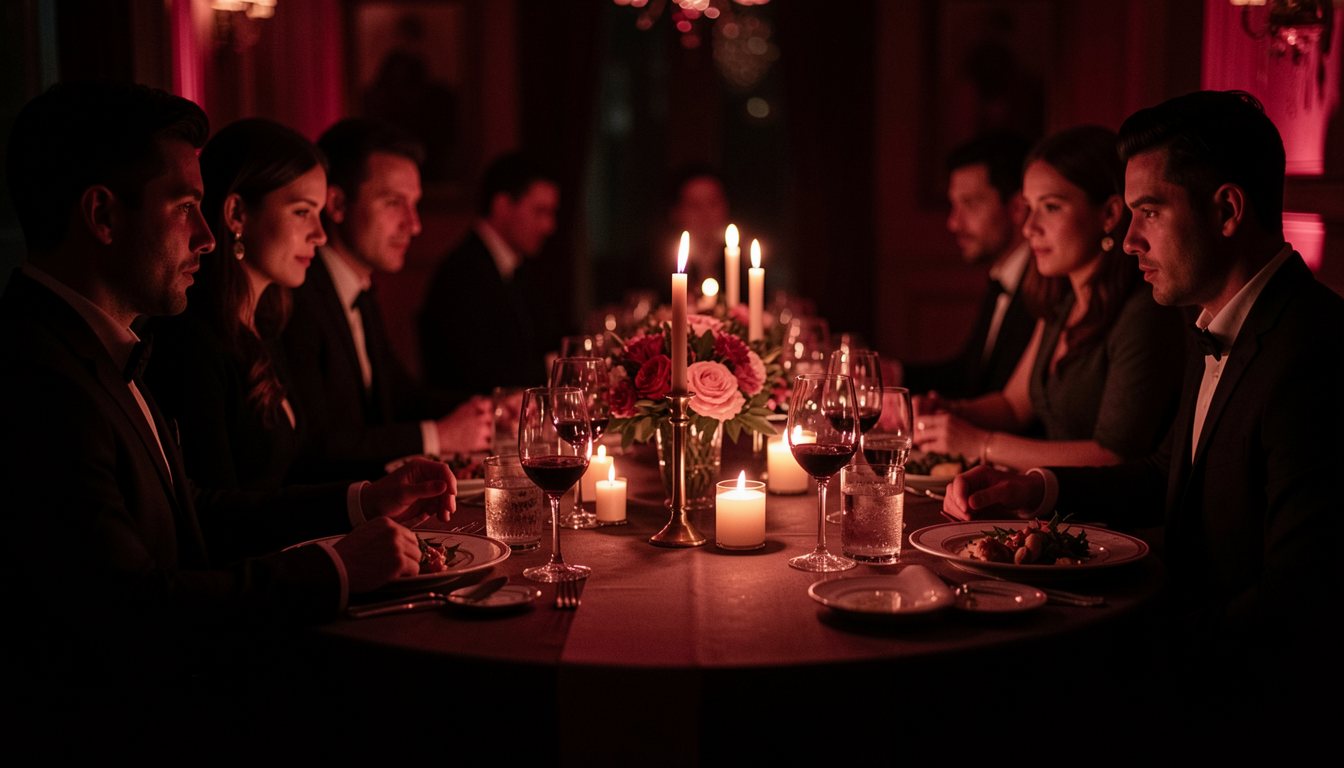
Put that same effort into a closed dinner for forty people you actually chose. Everyone has a reason to be in the room. The conversation is the event, not a byproduct of it. Guests leave with two or three connections that mean something to them, and they remember who hosted. For most clients that beats another big turnout, even if it photographs less well.
We've seen this with a government agency we work with. They used to run one huge annual gathering. We helped them switch to a run of smaller, invitation-only sessions instead, each built around a specific group and a specific reason to meet. Roughly the same number of people across the year. Completely different outcome. The smaller rooms produced real follow-up meetings, because people had actually talked.
Small doesn't mean casual. If anything the invitation matters more, since being asked into a room of forty is a compliment in a way a mass email never is. Arrivals should feel considered. Guests should sense that someone thought about who else would be there. Choose the room carefully and every detail carries more weight, which is the whole point.
None of this kills the big event. Some jobs need scale, and a flagship gathering does things a dinner can't. The mistake is reaching for size by default. Before you book the ballroom, ask what you actually want people to walk away with. Sometimes the honest answer is a real conversation with the right person, and you can't manufacture that in a crowd of a thousand.