

Letting people in without the queue or the fuss
Contactless check-in is less about clever kit and more about the first ninety seconds of a guest's day. Get those right and the whole event starts on a better footing.
By FrontHAUS Team · Editorial
Part of the Event check-in & registration guide →
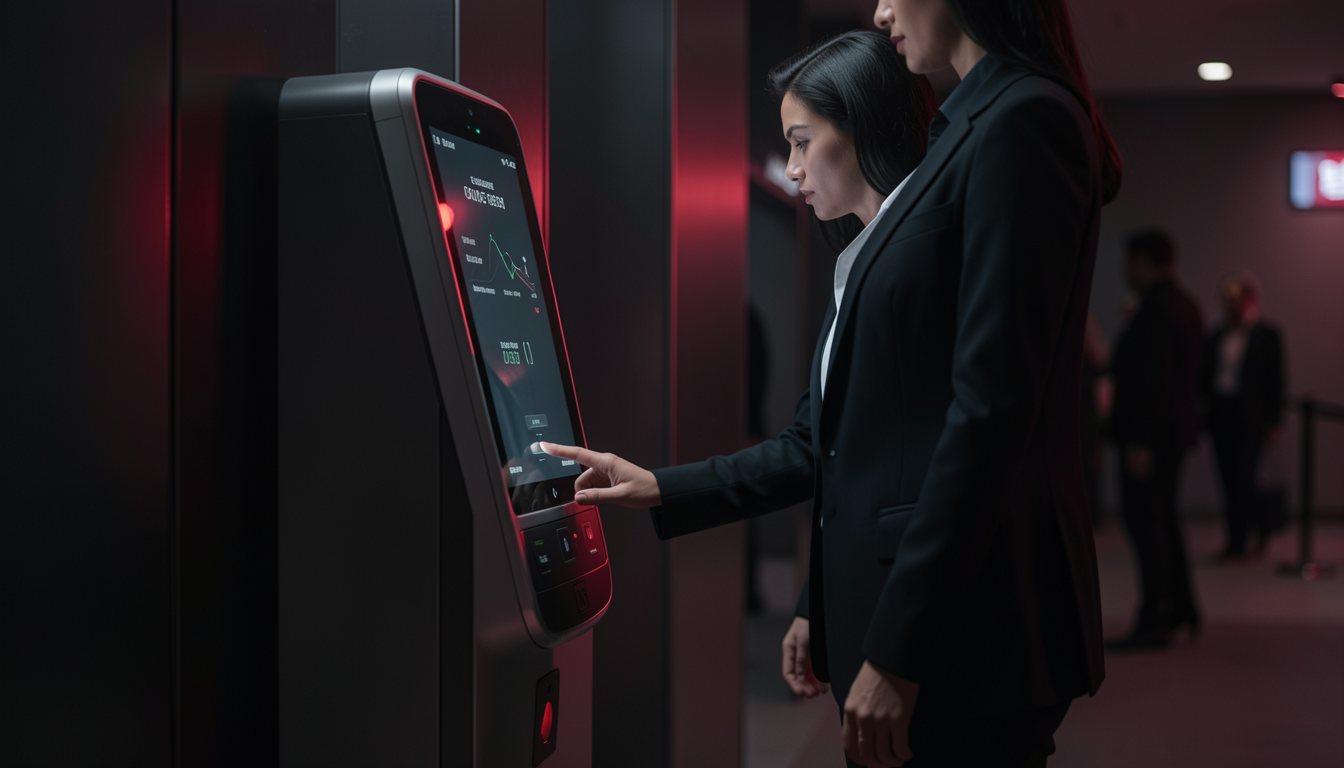
The first thing a guest meets at your event is the door, and for years the door has been the low point. You show up a bit frazzled, you've finally parked, you're not sure which entrance, and then you're in a line giving your name to someone who can't hear you over the room. By the time you're inside, you've spent goodwill you didn't have a lot of to start with.
Contactless check-in is mostly about handing those first ninety seconds back to the guest. They walk up, they're recognised in a second, and they're through. No clipboard, no spelling out a surname twice, no shuffling forward a foot at a time. For most people it barely registers as an event, which is the whole point. The best arrival is the one nobody remembers, because nothing about it asked for their attention.
How it actually works depends on the event. Sometimes a guest holds up a code from their phone and a screen waves them in. Sometimes it's a kiosk they tap themselves, with a real person standing by for anyone who'd rather have help. The format matters less than the feeling, which should be that getting in was easy and even a little pleasant, not a hurdle to clear.
Your team gains as much as your guests do
Standing at a door for three hours taking names and wrangling a queue is draining, and it ties up some of your best people while everything else still needs doing. When arrival mostly runs itself, those people are free to do what they're actually good at. Greeting the VIP properly. Handling the one genuinely tricky case with care instead of under pressure. Watching the room instead of a list.
You also get something a clipboard never gave you: a live read on what's happening. How many are in. Whether the rush has peaked or is still building. Whether the people who said they'd come actually turned up. That lets you make better calls on the spot, like opening a second entrance before the queue forms rather than after.
None of this takes away the human side of welcoming people, and it shouldn't. The aim is narrower and more honest than that. Strip out the part of the arrival that never needed to be there, the waiting, so the warmth has room to be what your guests remember.