

Leave the gaps in
Every empty slot on the agenda feels like wasted money, so we fill it. The events people enjoy most are usually the ones with a bit of air left in them.
By FrontHAUS Team · Editorial
Part of the Running a better event guide →
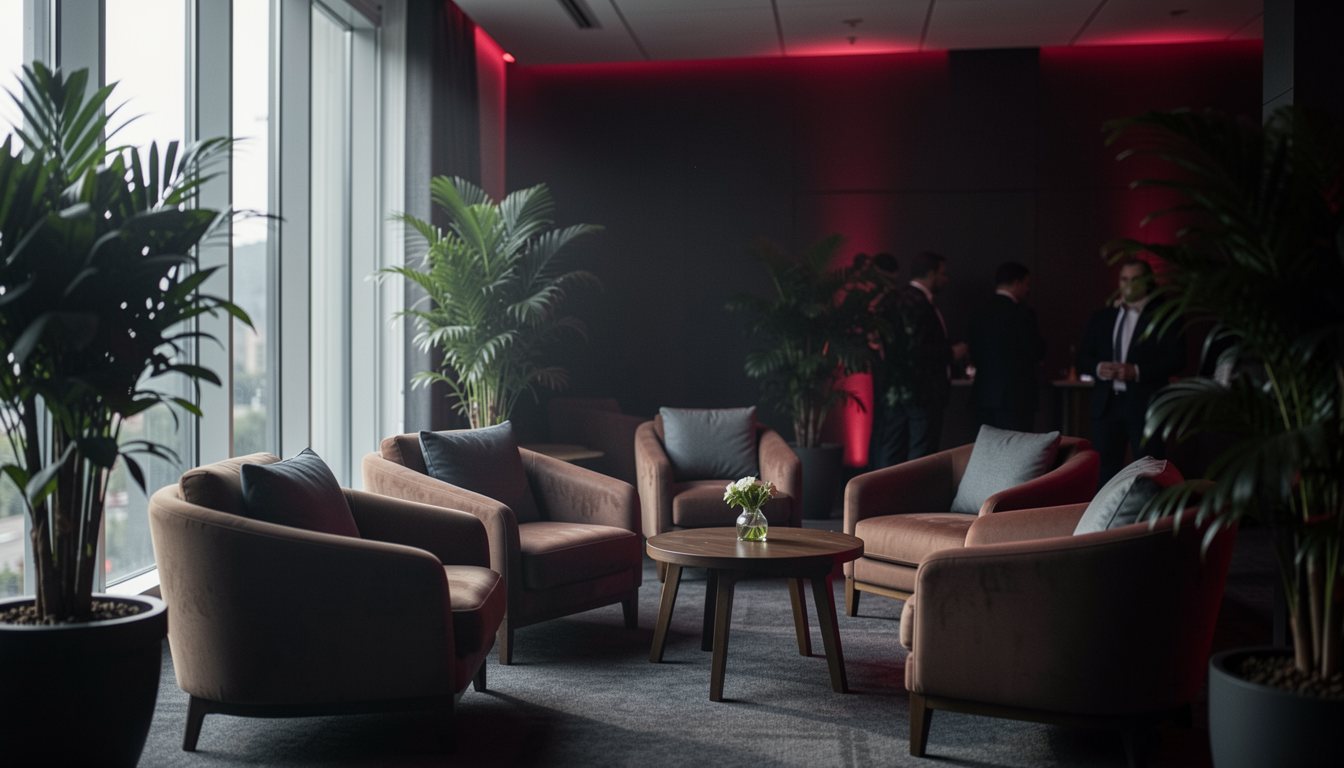
Most event agendas share the same instinct. Every fifteen minutes accounted for. Session straight into session, lunch trimmed to forty minutes so a panel can fit, the last speaker still going while the cleaners hover at the back. Nobody sets out to make a day feel breathless. It happens because an empty slot on the run sheet looks like money left on the table.
I'd push back on that. The gaps aren't waste. A lot of the value lives in them.
Think about your own long day out. By mid-afternoon, if you've been moved from one room to the next with no minute to yourself, you stop taking anything in. Present in body, gone in attention. The speaker after the lunch lull is talking to a room of people quietly planning their commute home. Good content doesn't survive an audience that's run out of room to receive it.
A break isn't dead time. It's when two people who sat near each other in a session finally say hello. It's when someone finds a quiet corner, clears the email that's been nagging them, and comes back able to listen again. The conversations that justify the whole event usually happen in the gaps, not the sessions. Plan the gaps away and you've planned away the best part.
There's a wellness angle here, and it isn't soft. People are more honest now about needing it. A quiet space with no programme in it. Somewhere to sit that isn't a networking opportunity in disguise. Water you don't have to fight to reach. These things cost almost nothing and they change how the day feels in the body, which is most of how people remember it.
Last year we worked on a two-day summit where the client's first draft had nine sessions on day one. We talked them down to six, stretched the breaks, and built a proper quiet room off to the side with nothing scheduled in it at all. The feedback afterwards kept coming back to how calm the day felt. Same venue, fewer things, and people left less frazzled and more inclined to return.
So when you're staring at the run sheet and a thirty-minute hole is tempting to fill, leave it. Protect a long lunch like it's a headline act. The day will breathe, your guests will stay with you to the end, and they'll remember it as time well spent rather than a marathon they got through.